
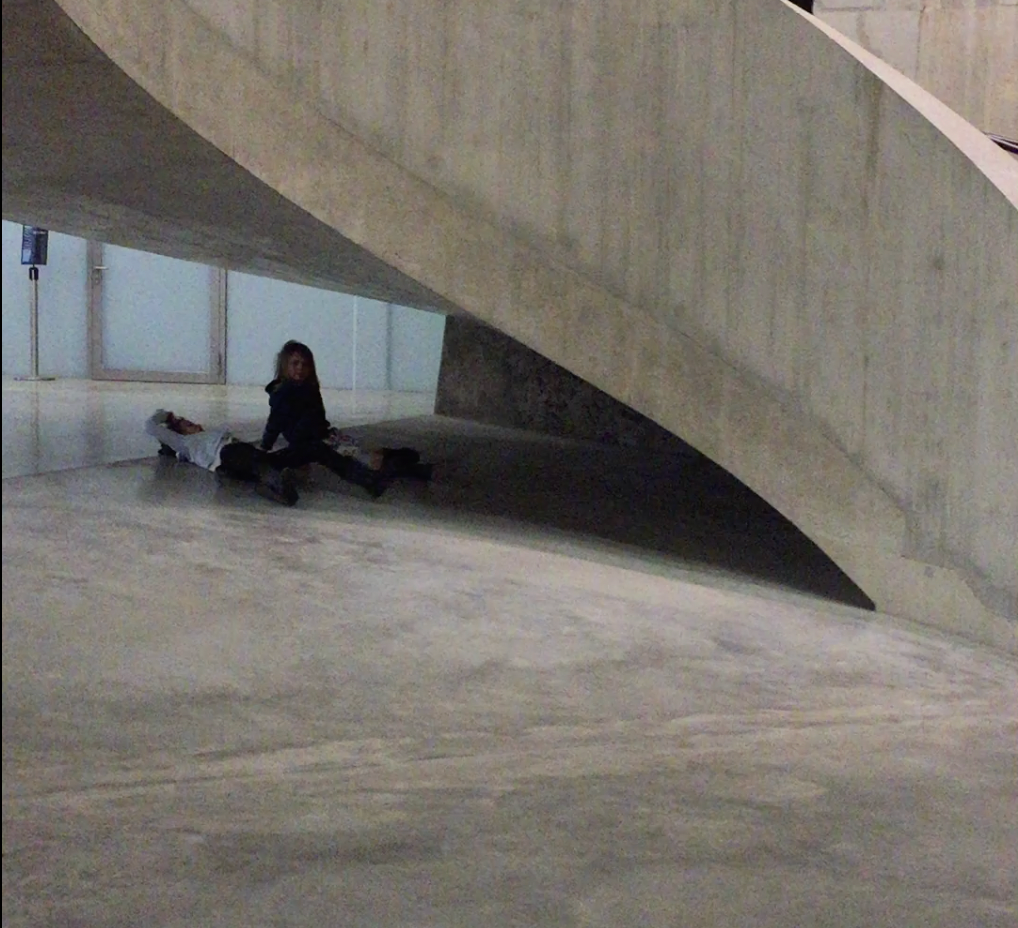
“A COMMITMENT TO HUMAN-CENTERED DESIGN”
EST.2024 - Dubai, UAE
■
StudioTM is a full-service architectural design consultancy based in Dubai providing architectural services across multiple typologies- including residential hospitality, commercial and cultural projects.
With a focus on autism, neurodiversity and sensory design, we are the only architectural design firm worldwide to be licensed to assess, design and deliver ASPECTSS™-compliant architecture. ASPECTSS™ is the world’s first research-based design framework, and was awarded the International Union of Architects Inclusive Spaces Research award in Durban South Africa in 2014. With projects in 5 continents StudioTM works with architectural firms, government institutions and clients around the world to deliver state of the art Neuro-Inclusive design.
©Video Credits: Dani Burns
[ bio ]■
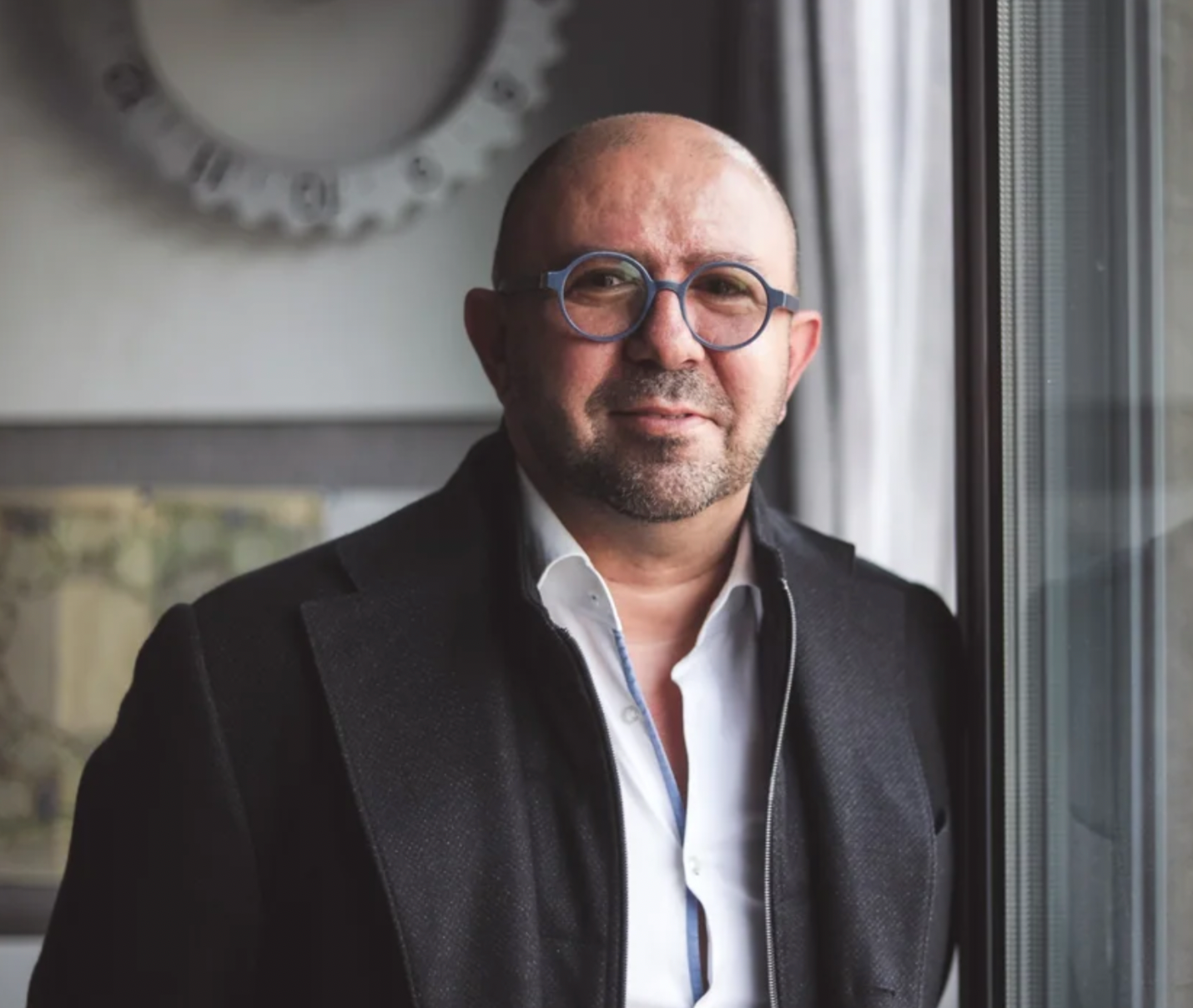
Ashraf Tawfik
Founding Partner and Co-Director
Founding Principal and Chairman, Progressive Architects
With over three decades of experience, Ashraf Tawfik has redefined the boundaries of architectural and interior design. He seamlessly integrates design research into our practice, ensuring that each project embodies both aesthetic appeal and functional excellence. His mission is to craft spaces that resonate with his clients' visions while pushing the envelope of innovation.
He is committed to maintaining a culture of creativity that aligns with StudioTM’s values and advances the field of architecture.
Simultaneously, Ashraf founded and is Principal and Chairman of Progressive Architects, Cairo- a sister firm that works closely with StudioTM to help bring global projects from conception to delivery across multiple geographies, sectors and typologies.
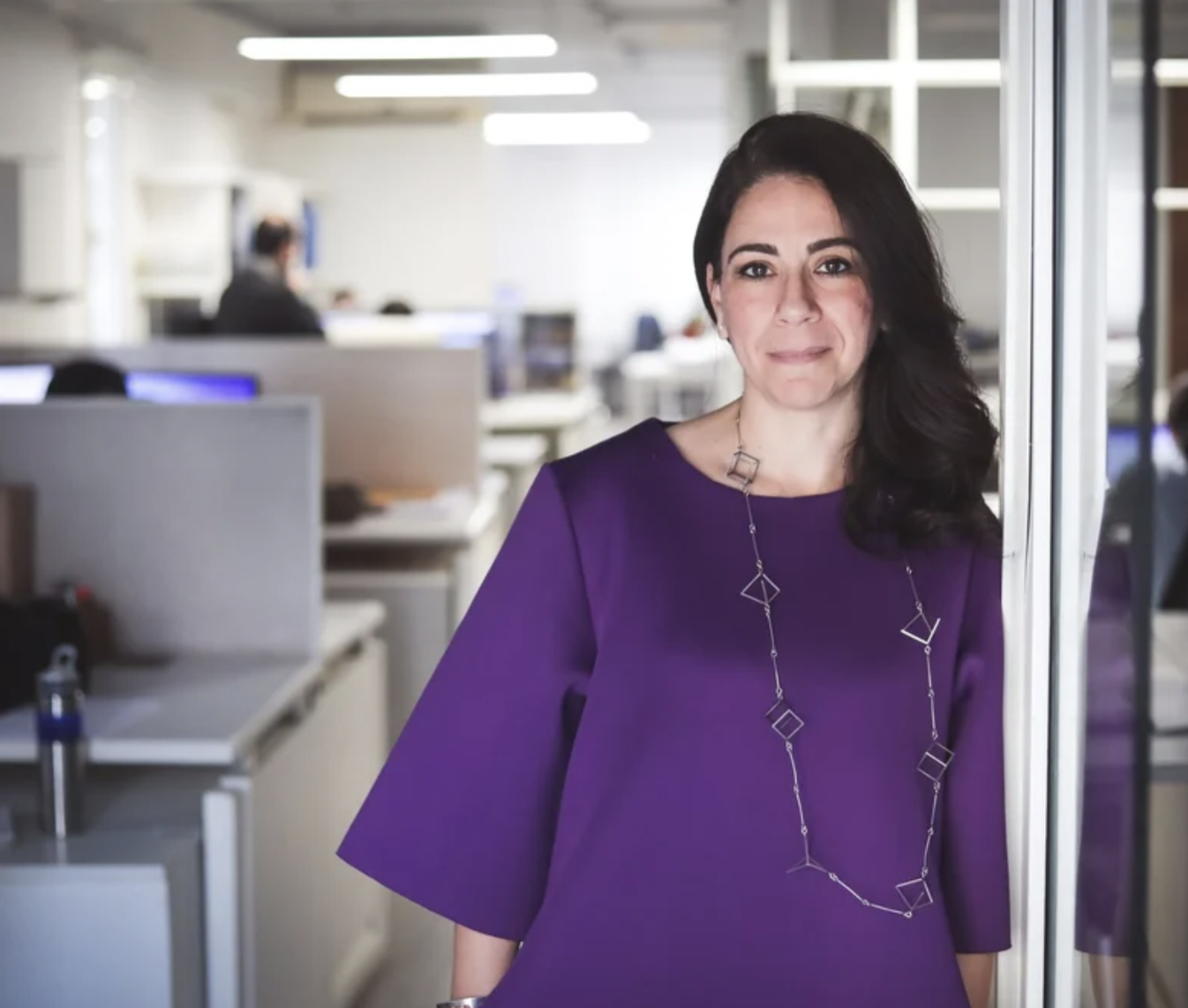
Magda Mostafa
PhD
Founding Partner and Co-Director
Author, the Autism ASPECTSS™ Design Index
Magda Mostafa is Founding Partner and Principal of StudioTM. She is also a researcher and academic with appointments as Professor of Design at the American University in Cairo and as a Visiting Instructor at the Weitzman School of Design at the University of Pennsylvania. She is the author of the ASPECTSS™ Design Index, the world’s first research-based design framework for autism. ASPECTSS™ was awarded the UIA Triennial Research Award in 2014 and Mostafa is the only laureate ever to be presented this award twice, awarded again in 2023 for her Autism Friendly University Design Guide.
Through her role at StudioTM, ASPECTSS™ has been used in architectures for autism and neurodiversity across 5 continents and her award-winning work has been presented globally and was most recently displayed in two solo exhibitions at the 2021 and 2023 Venice Architecture Biennales. She collaborates globally with leading architectural practices on typologies ranging across residences, schools, healthcare, sports and recreation as well as the urban city scale
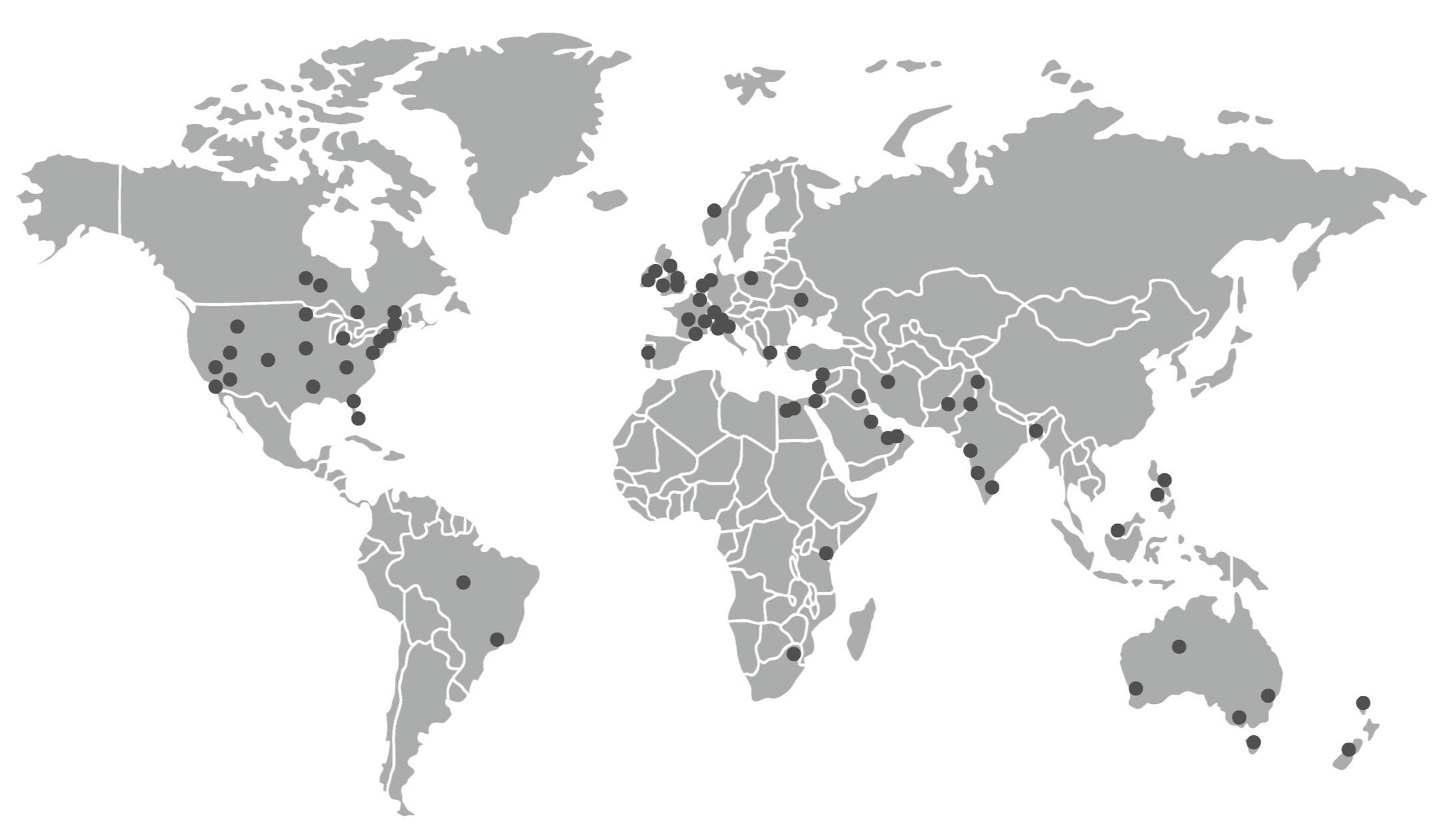
Our Impact Expands Across 5 Continents
[ ETHOS & PHILOSOPHY ]What We Do
"Design can never be neutral- it can only be enabling or disabling. We are committed to a practice driven by design for the former."
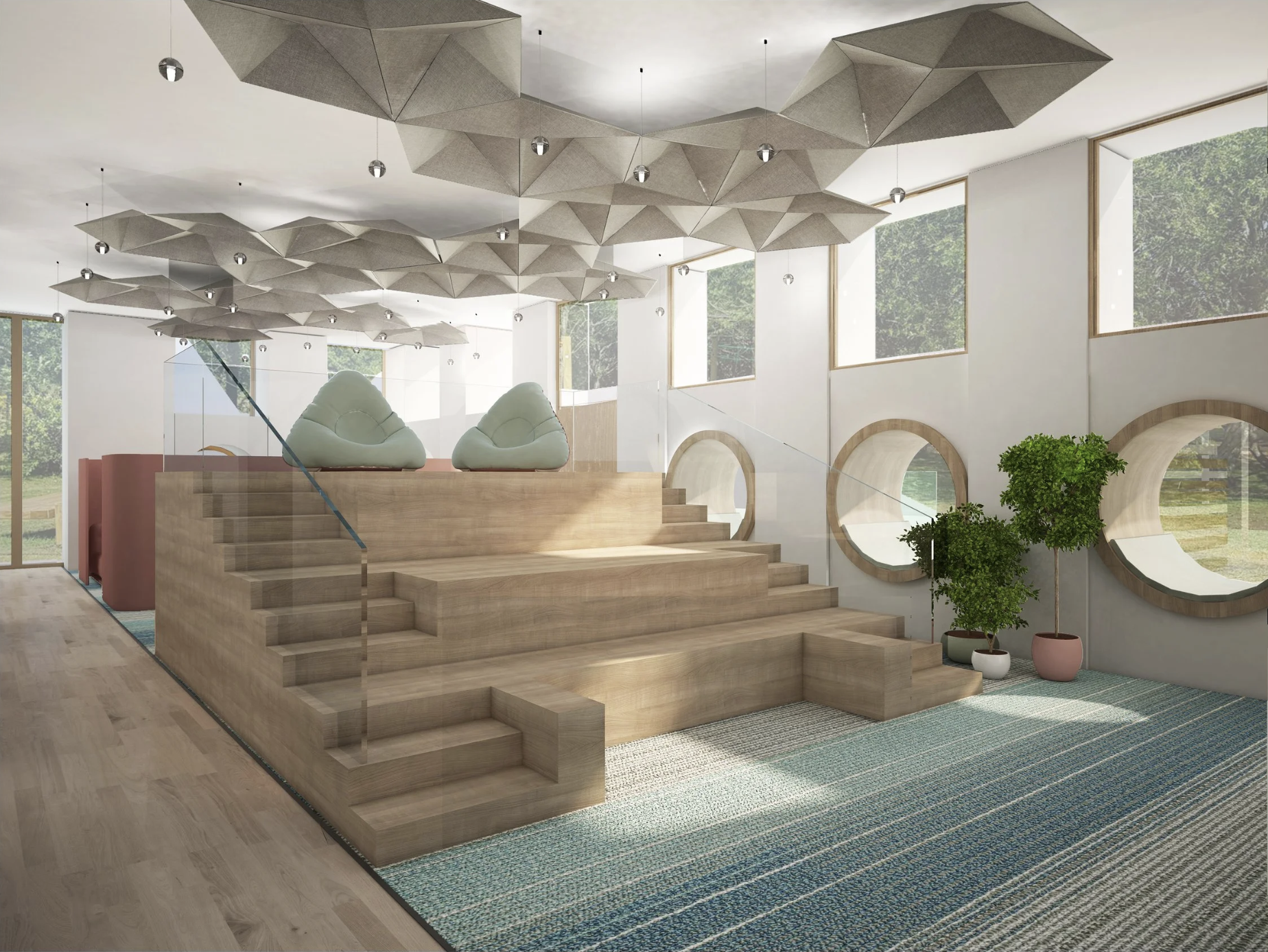
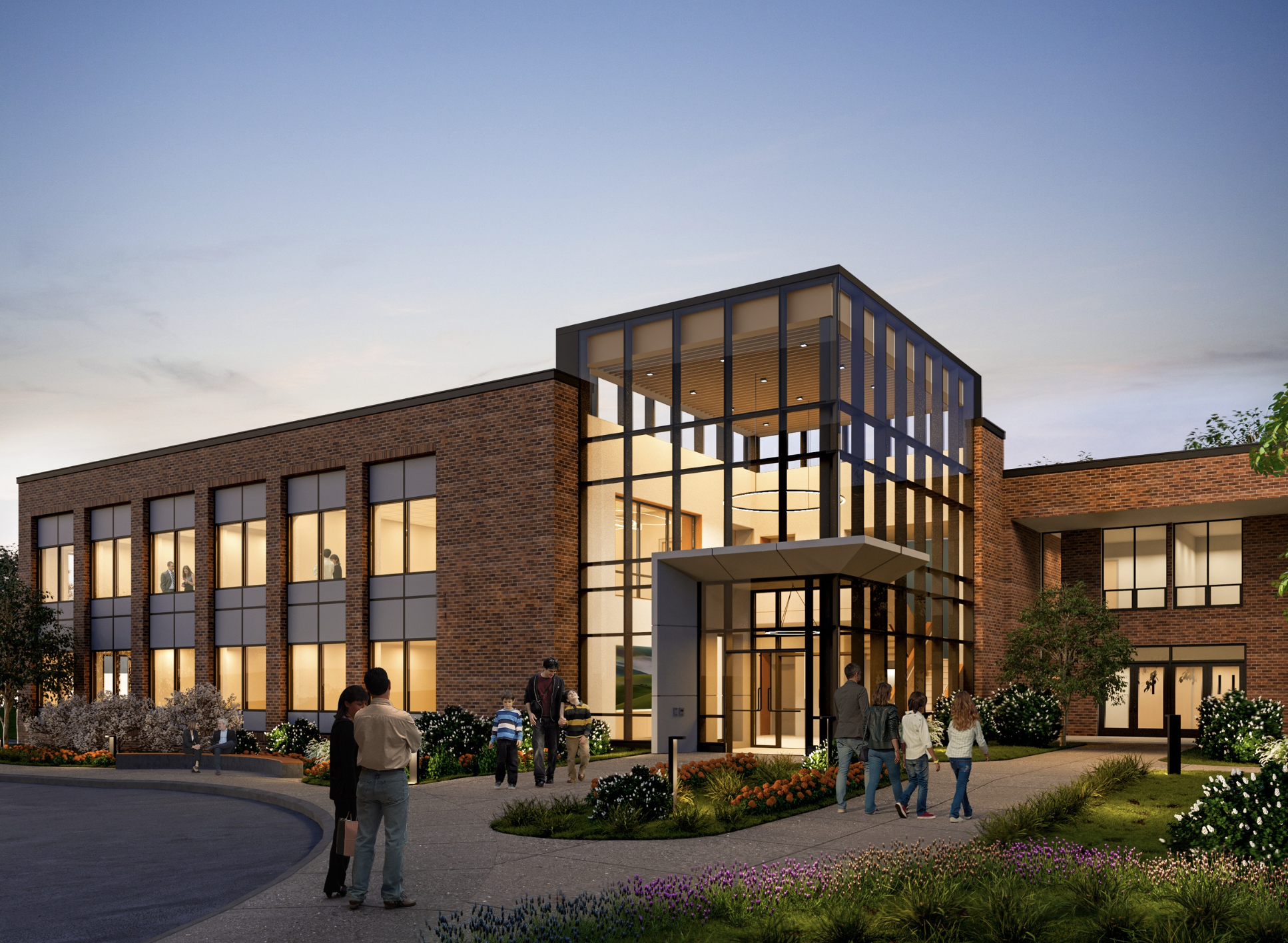
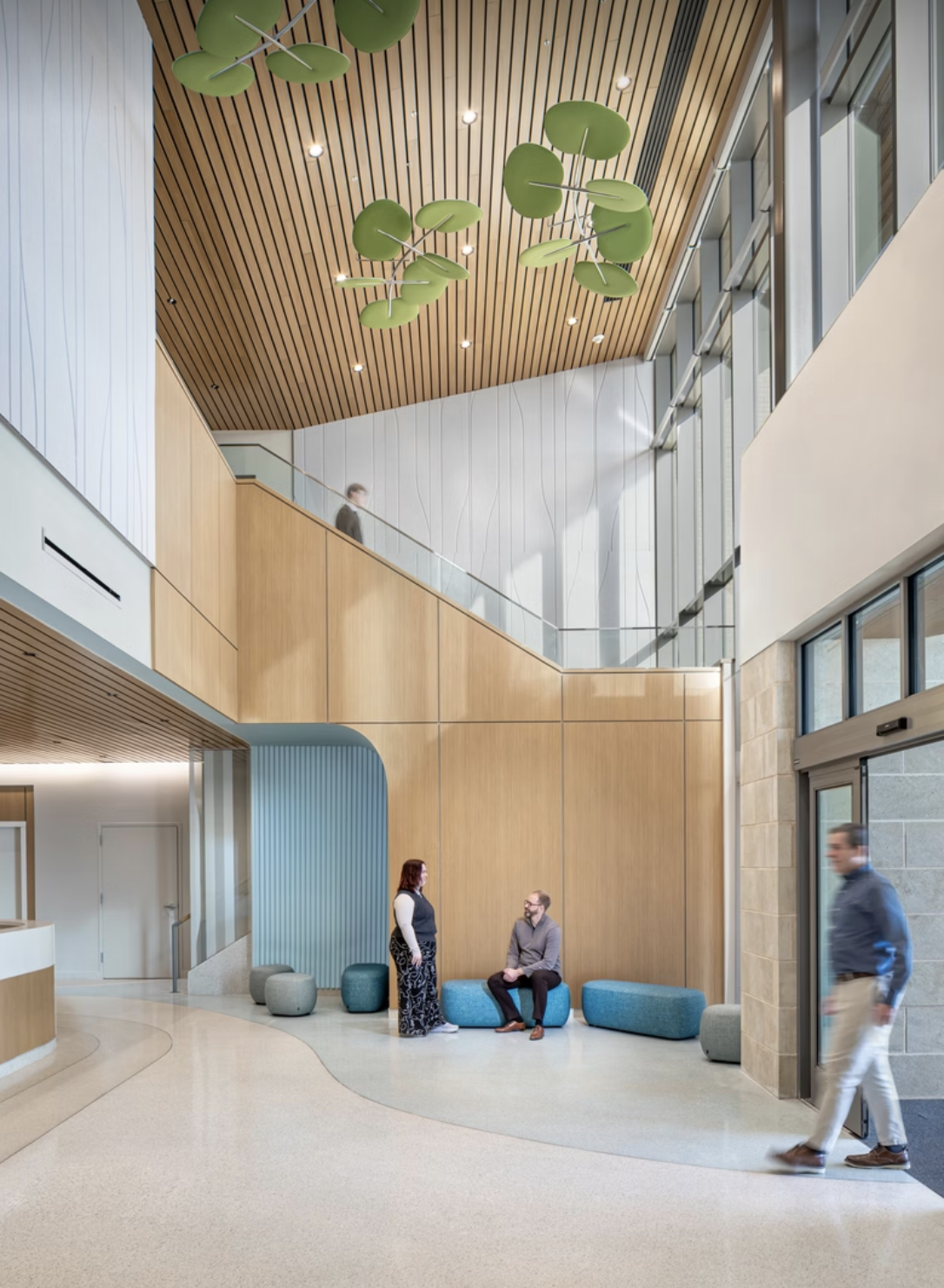
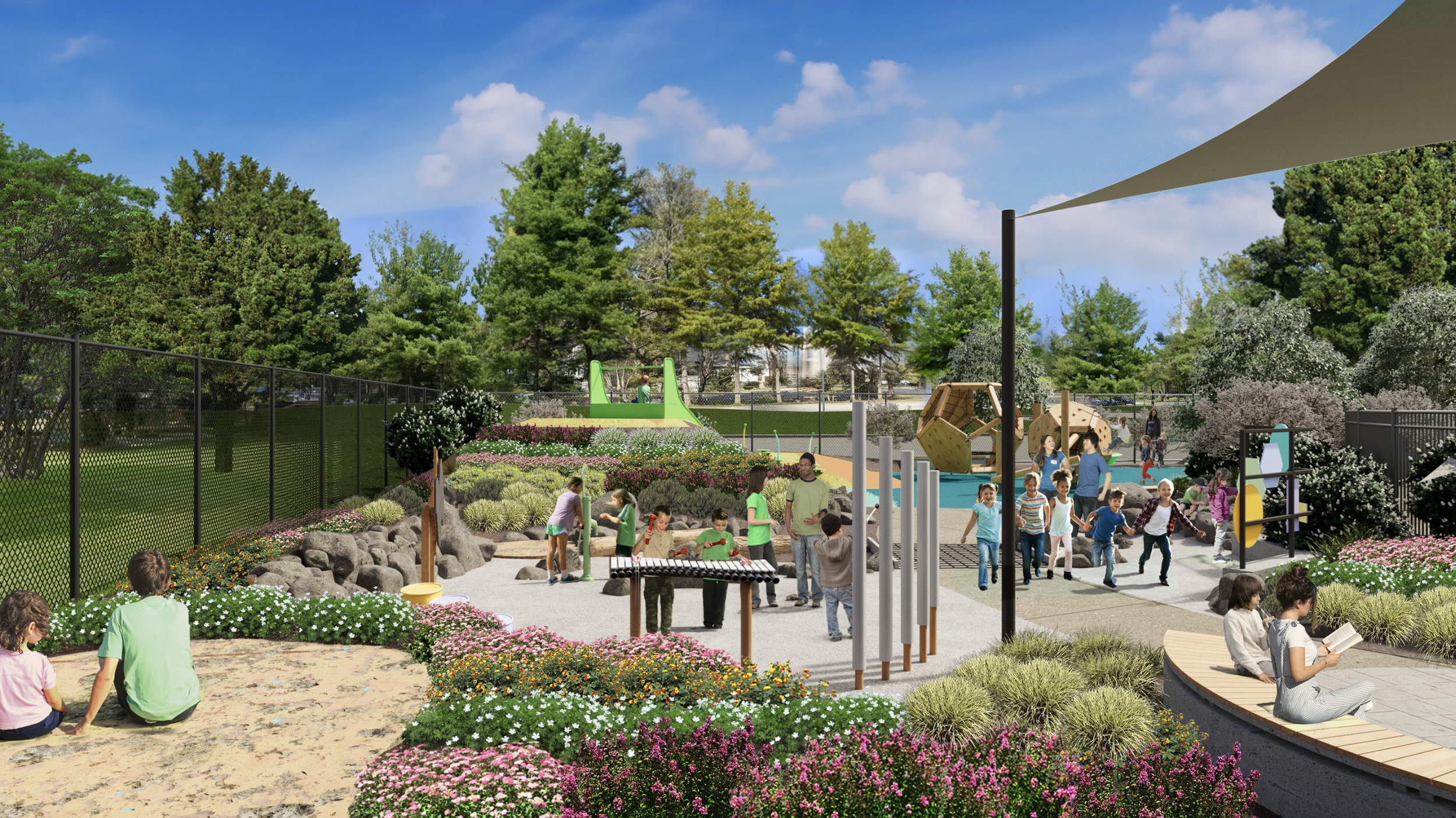
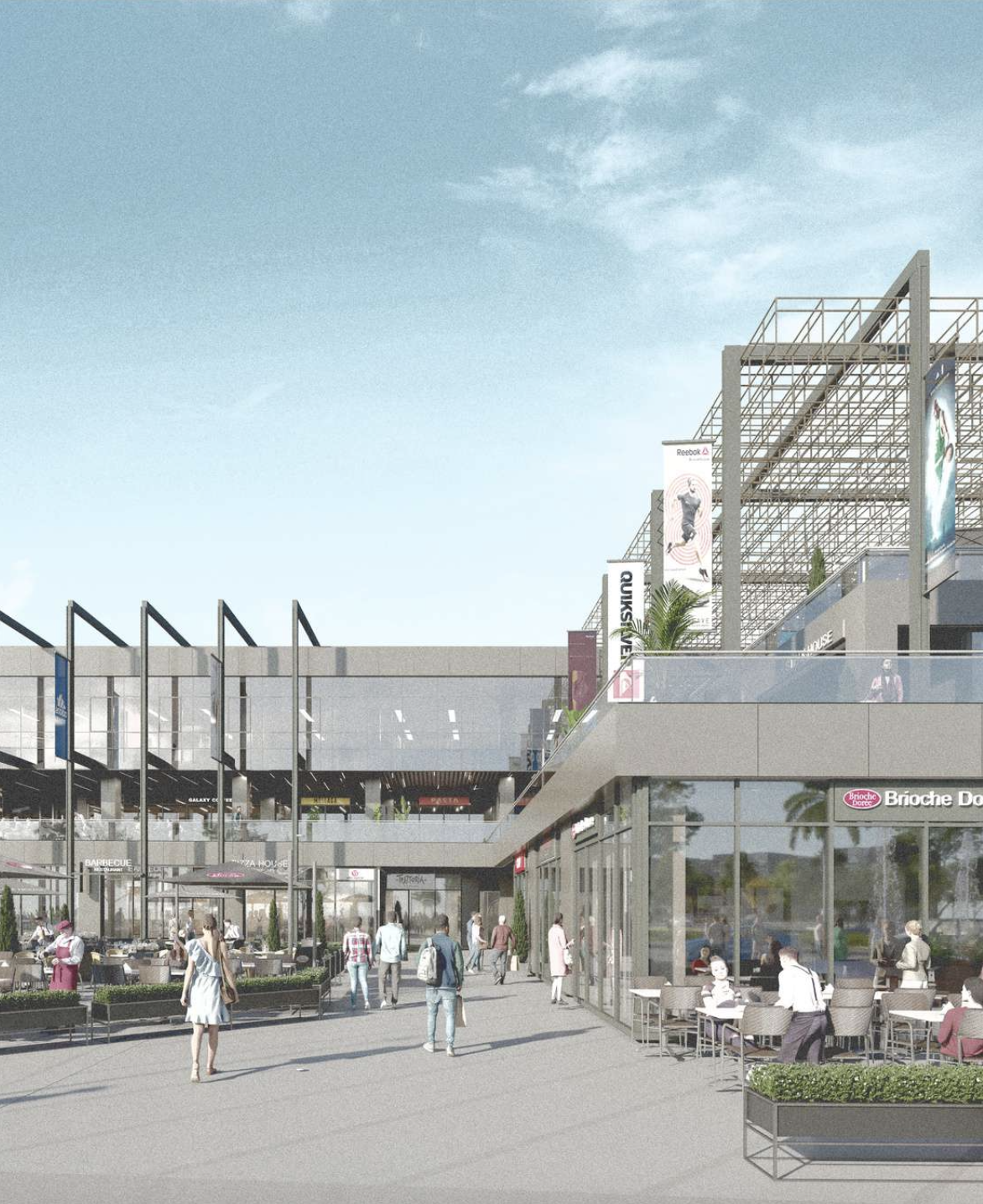
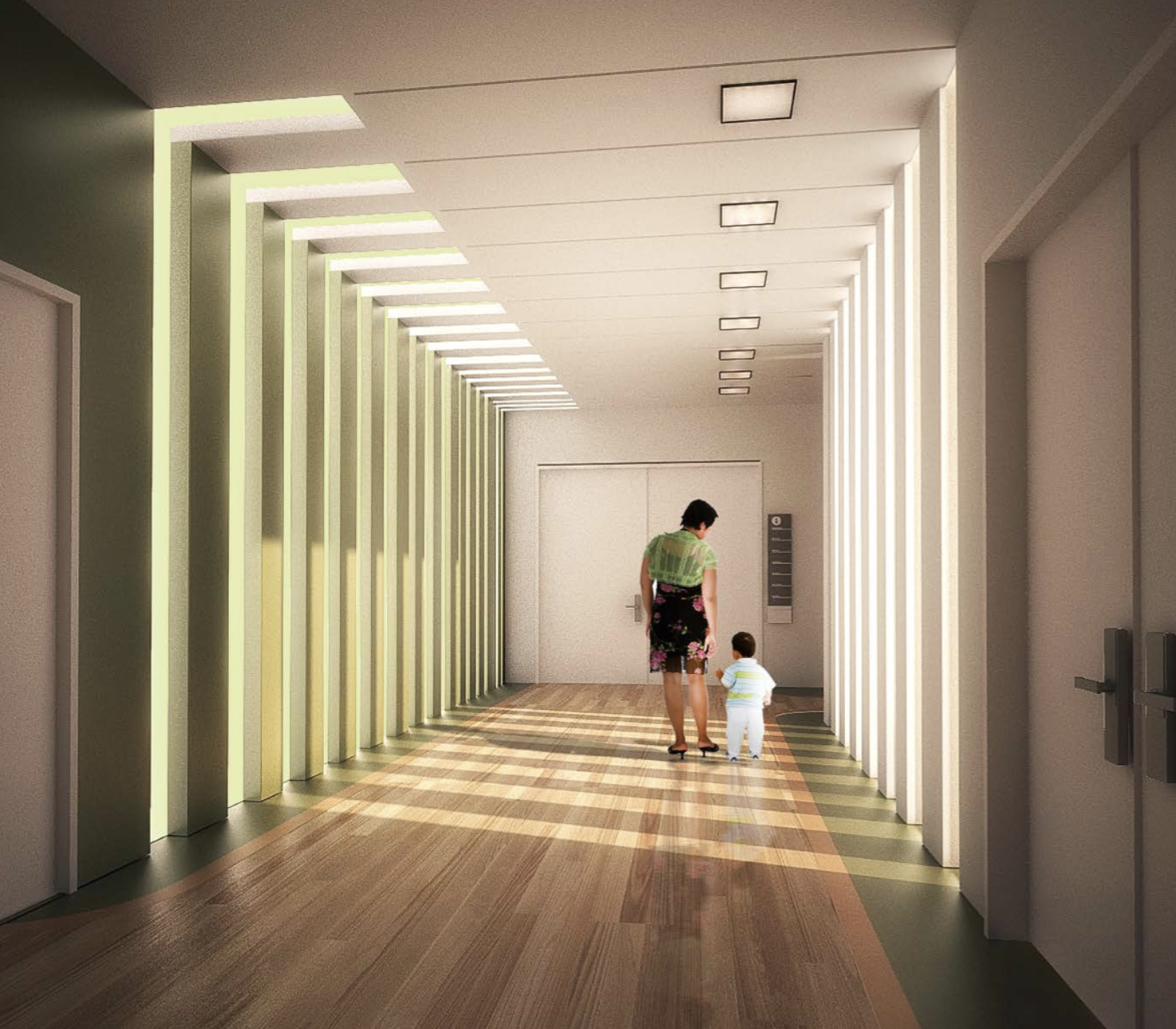
Human-Centered Design
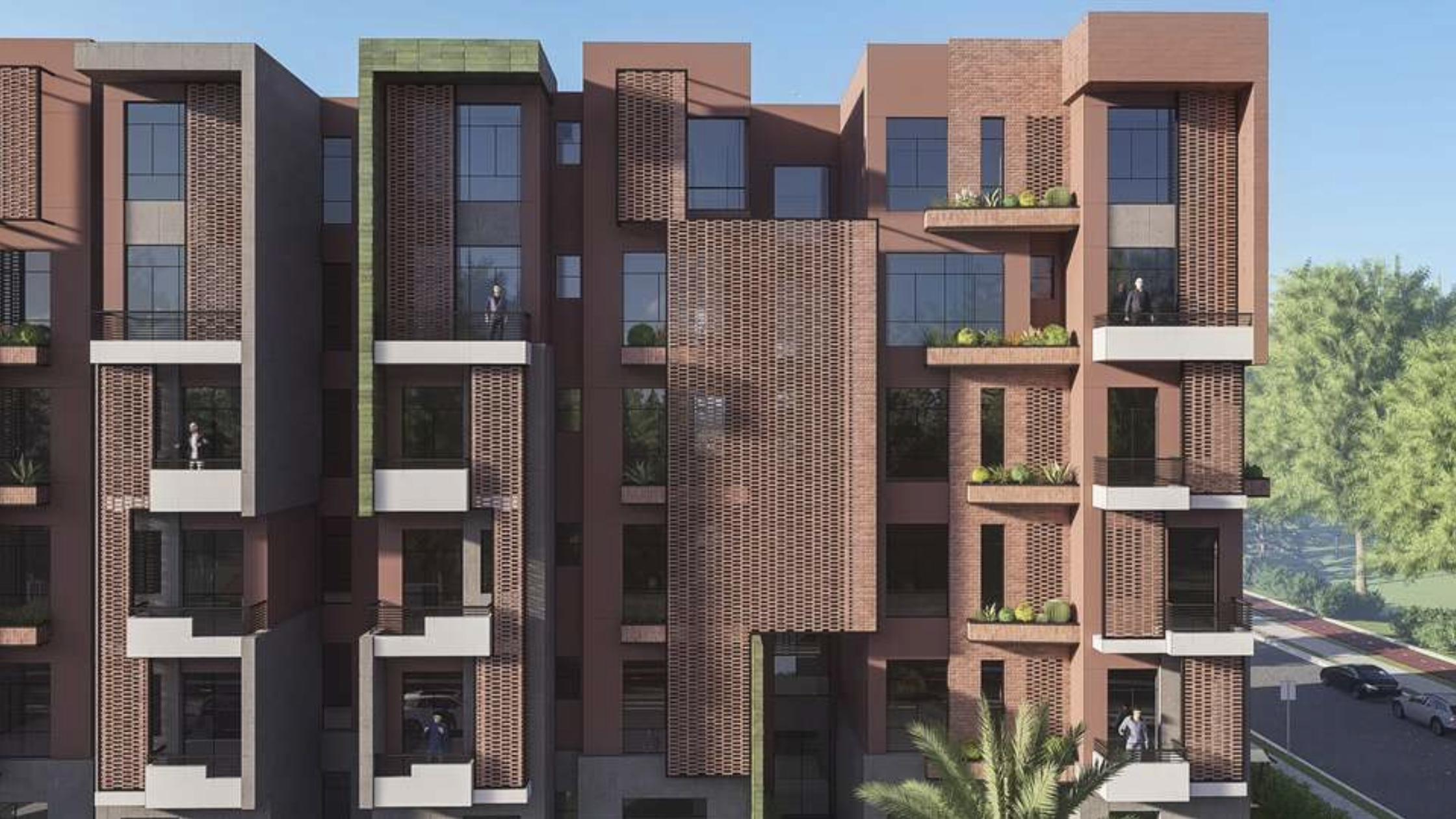
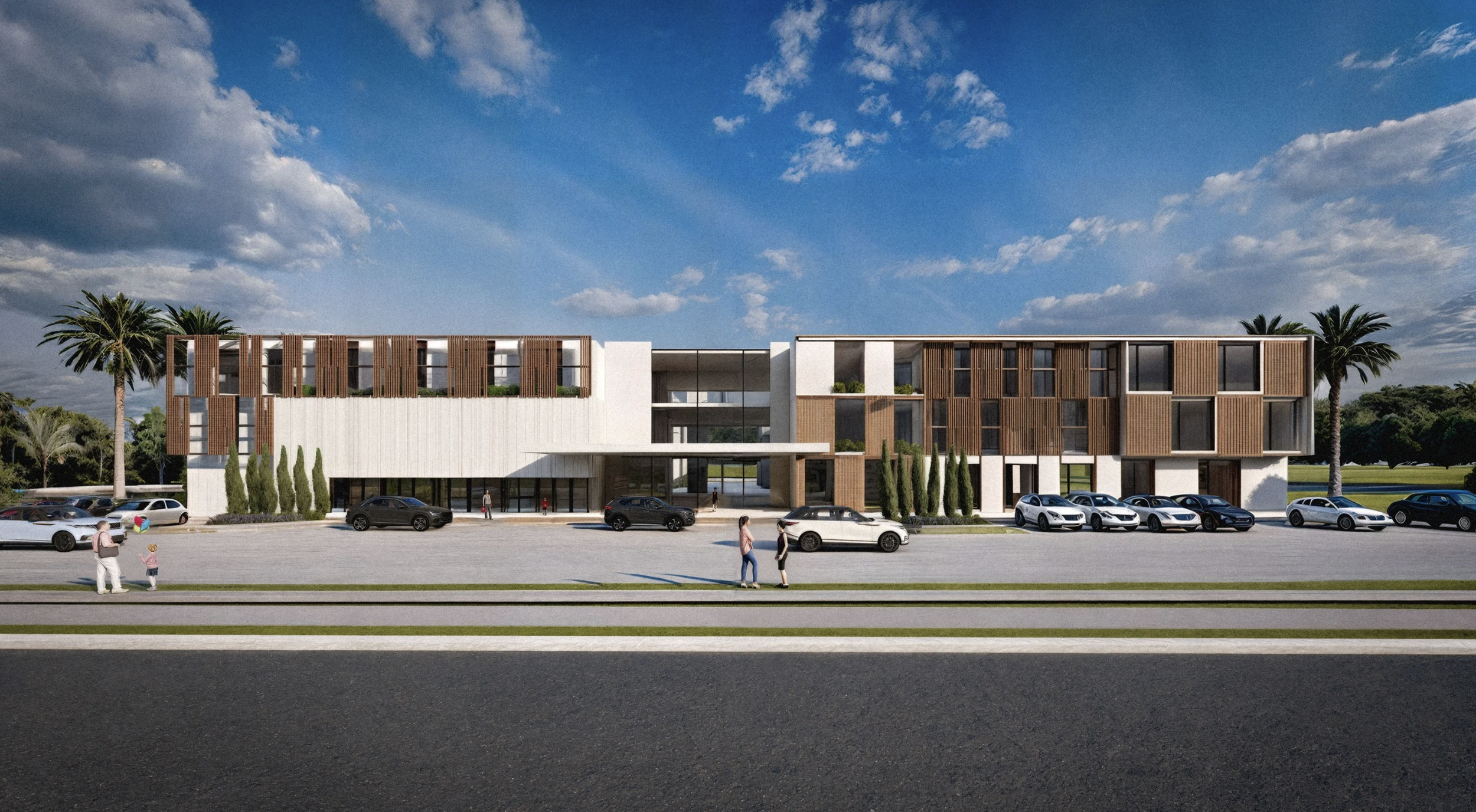
StudioTM is committed to putting the user at the center of its design process.

©Mikkel Kaldal
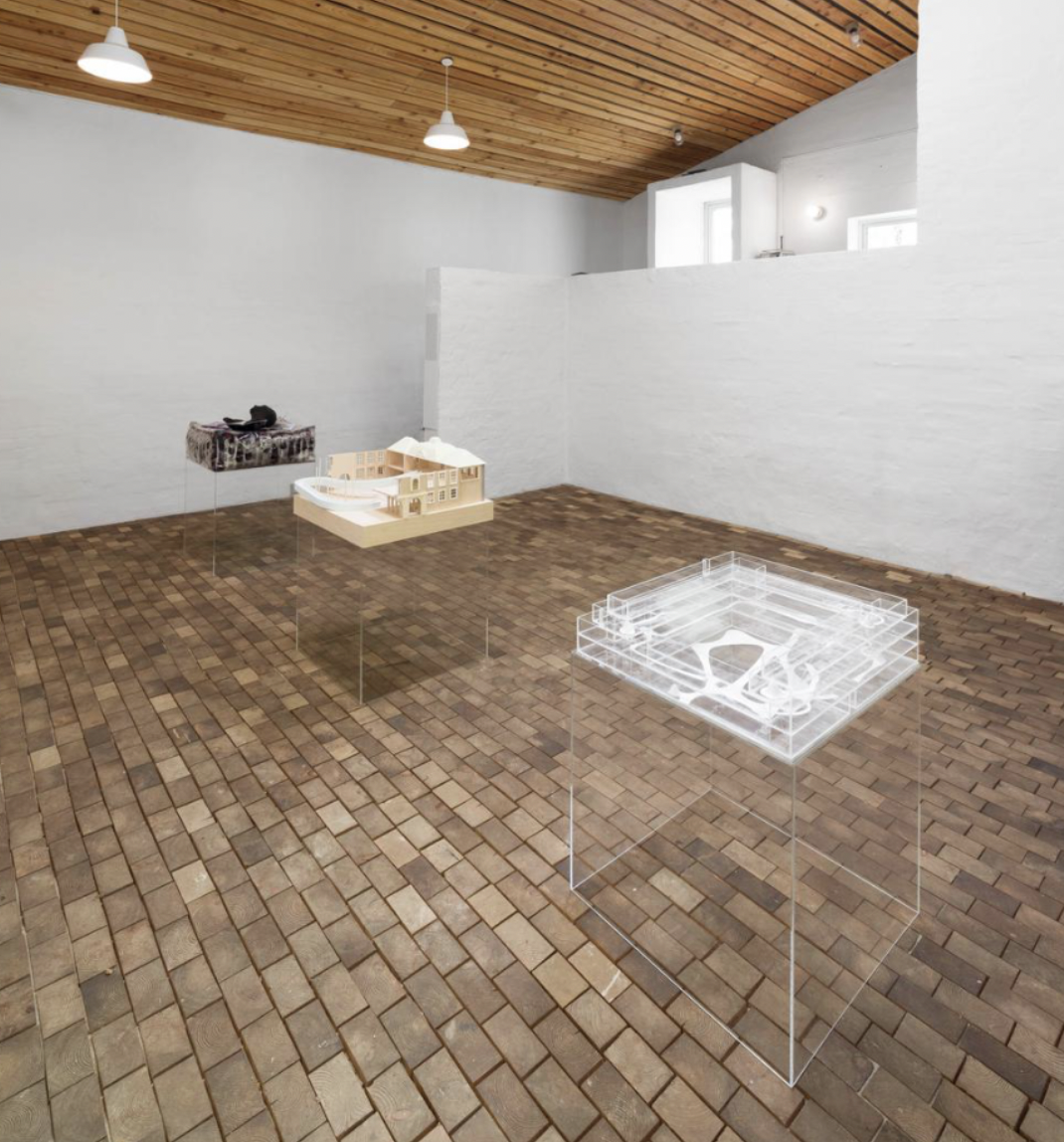
©Mikkel Kaldal
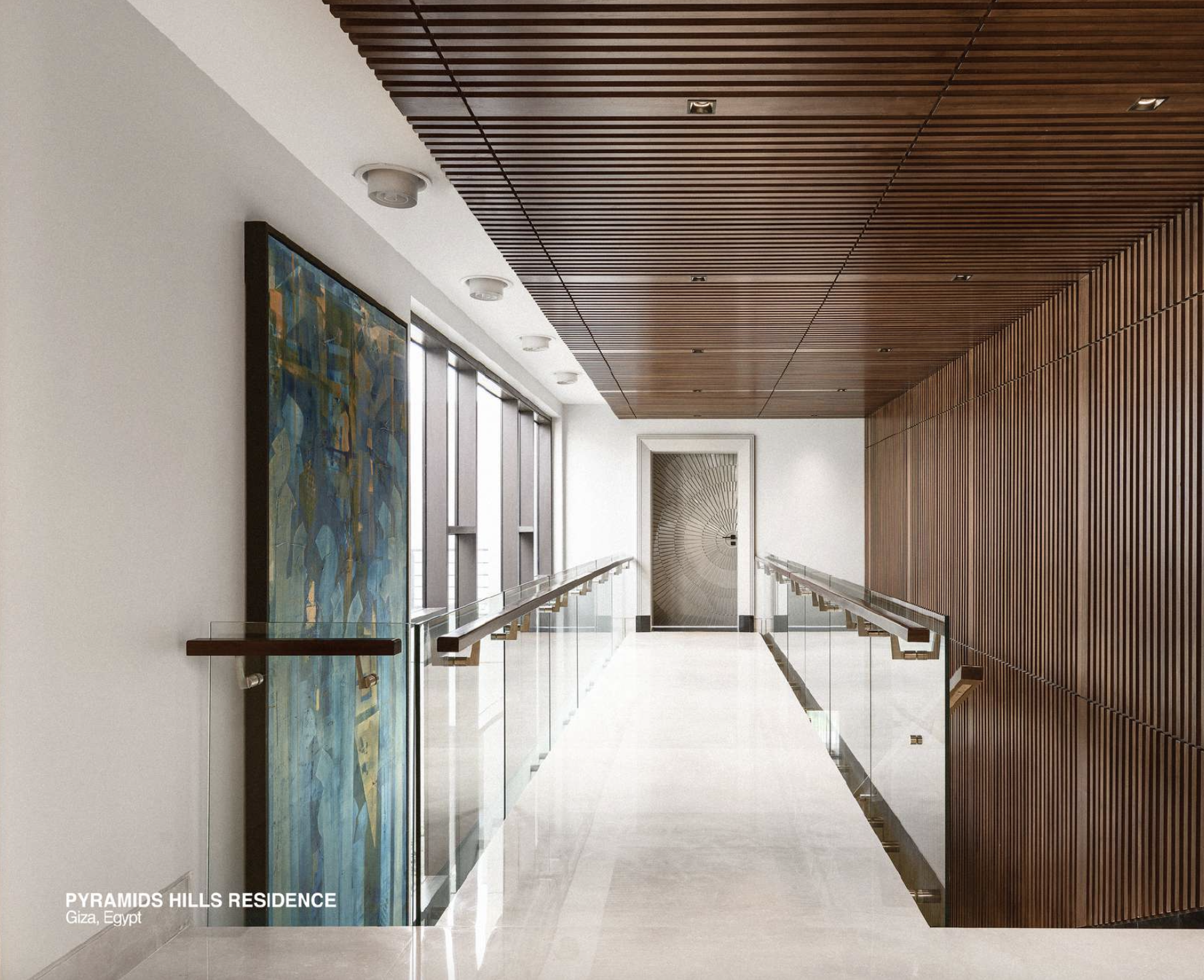
ASPECTSS™ Compliant Design
ASPECTSS™ is the world’s first research-based architectural design framework for autism. It is a registered trademark and was first published by Magda Mostafa, Founding Partner and Principal of StudtioTM in 2014. It is a framework of 7 original architectural constructs that can help support the autistic experience in the built environment when designed with intentionality. Developed through over a decade of research and practice, these original 7 principles were expanded in 2021, as part of the award winning Autism Friendly Design Guide to include 8 new spatial constructs.
The current 15 principles form the basis of the ASPECTSS™ Compliance guidance to be followed throughout any of our projects. These high level criteria are:
Acoustics | Spatial Sequencing | Escape Spaces | Compartmentalization | Transitions | Sensory Zoning | Safety | Color | Lighting | Materiality | Furniture | Wayfinding | Technology & Smart Systems | Sensory Economics | Programming & Operation
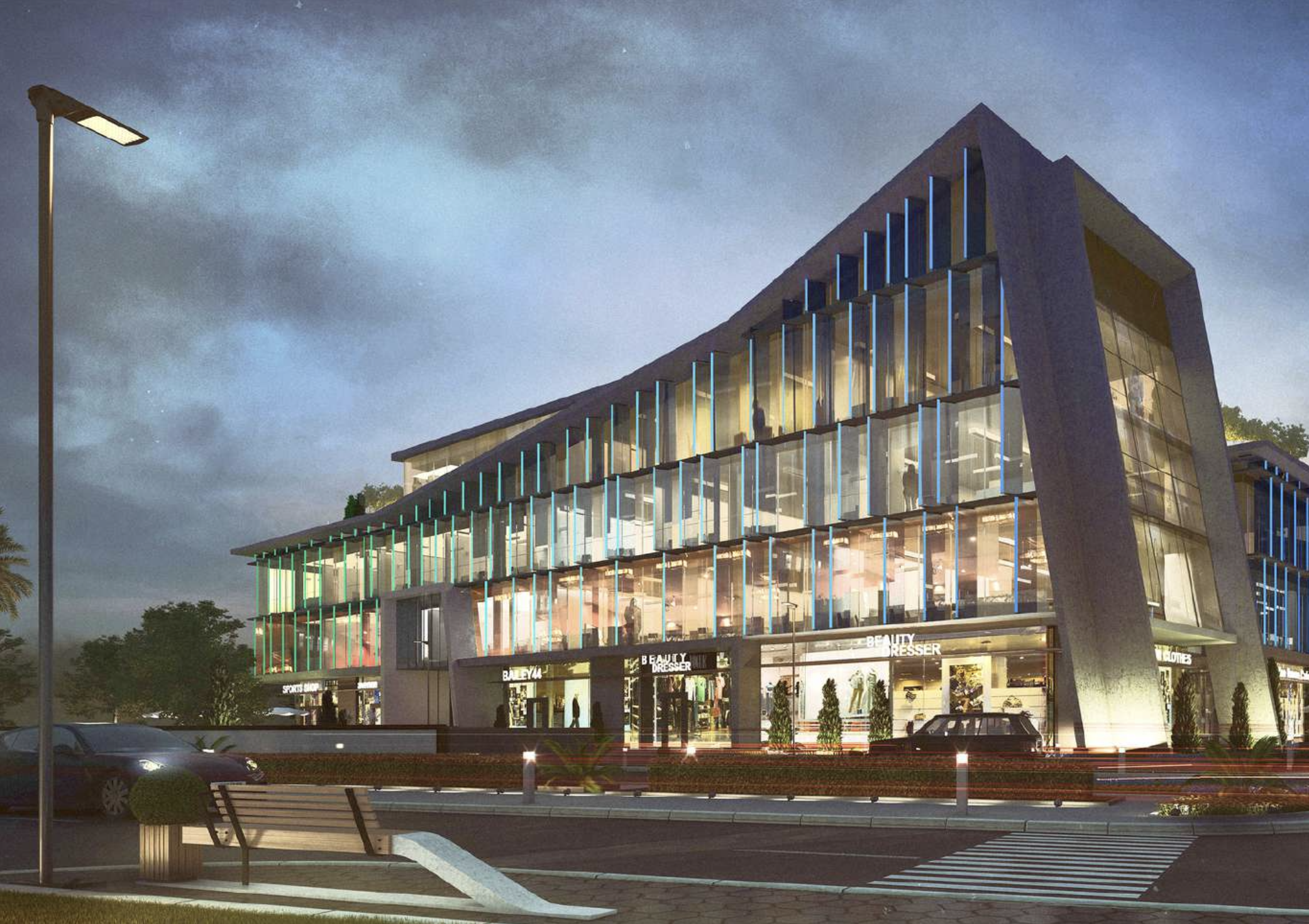
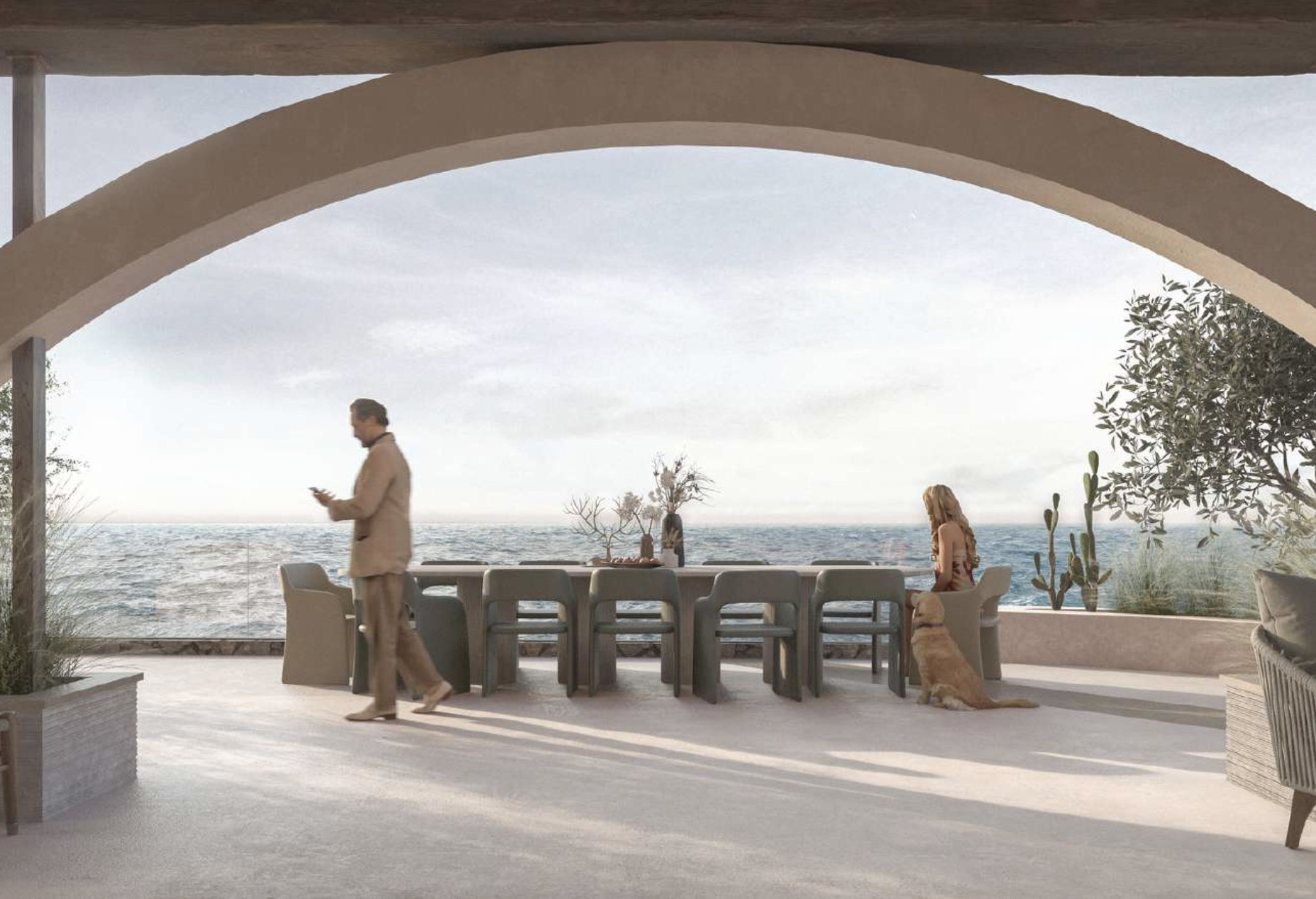
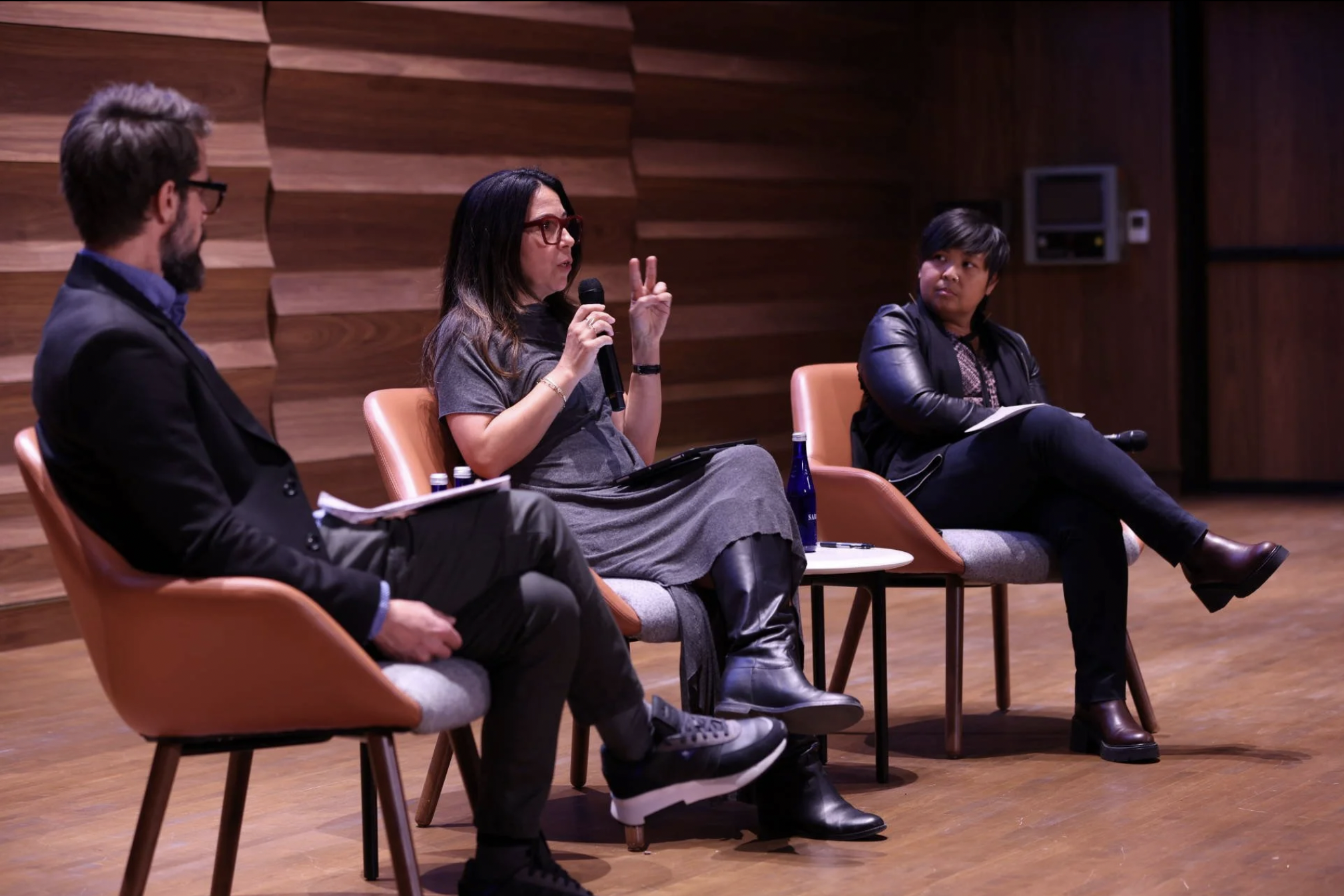
“When you design for the minoritized margins you end up designing something that is more accessible and more productive for everyone.”
©Photo Credits: Intentional Spaces Initiative